
Terrain Registry
Surface-specific mechanical requirements: tire pressure, lubrication, and component adjustments for varied terrain.
Surface Classification System
Different terrain types demand specific mechanical configurations. Tire pressure affects traction and rolling resistance. Lubrication selection changes with surface conditions. Suspension settings optimize performance for each environment.
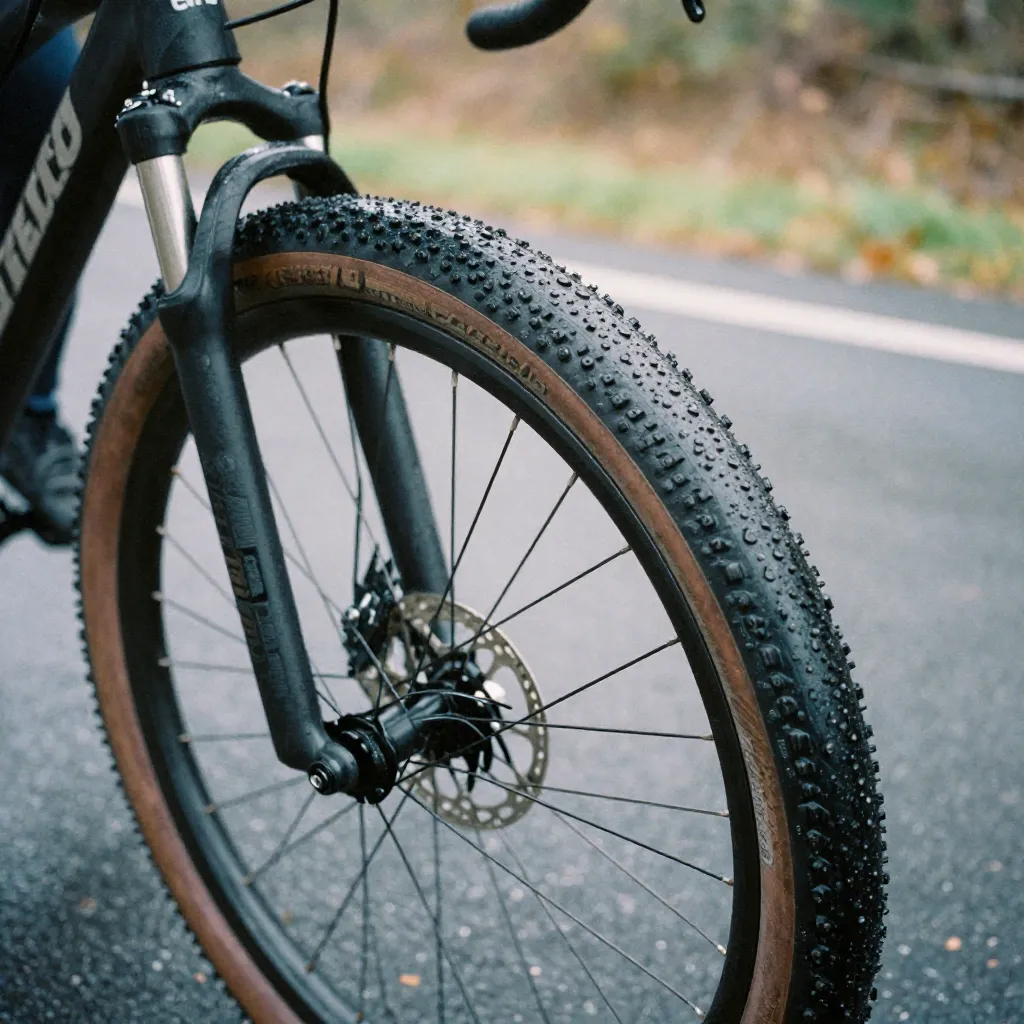
Granite Rock Surfaces
Archipelago Terrain
Granite rocks provide high traction but create impact loads. Suspension compression damping prevents bottoming out. Tire pressure must balance grip and pinch flat protection.
Lower pressures increase contact patch area. Higher pressures reduce rolling resistance but decrease traction. Optimal range varies with rider weight and tire volume.
Mechanical Adjustments
Tubeless tire systems reduce pinch flat risk. Sealant prevents small punctures. Regular sealant refresh maintains effectiveness.
Chain lubrication requires thicker compounds. Dry conditions demand wax-based lubricants. Dust accumulation requires frequent cleaning.
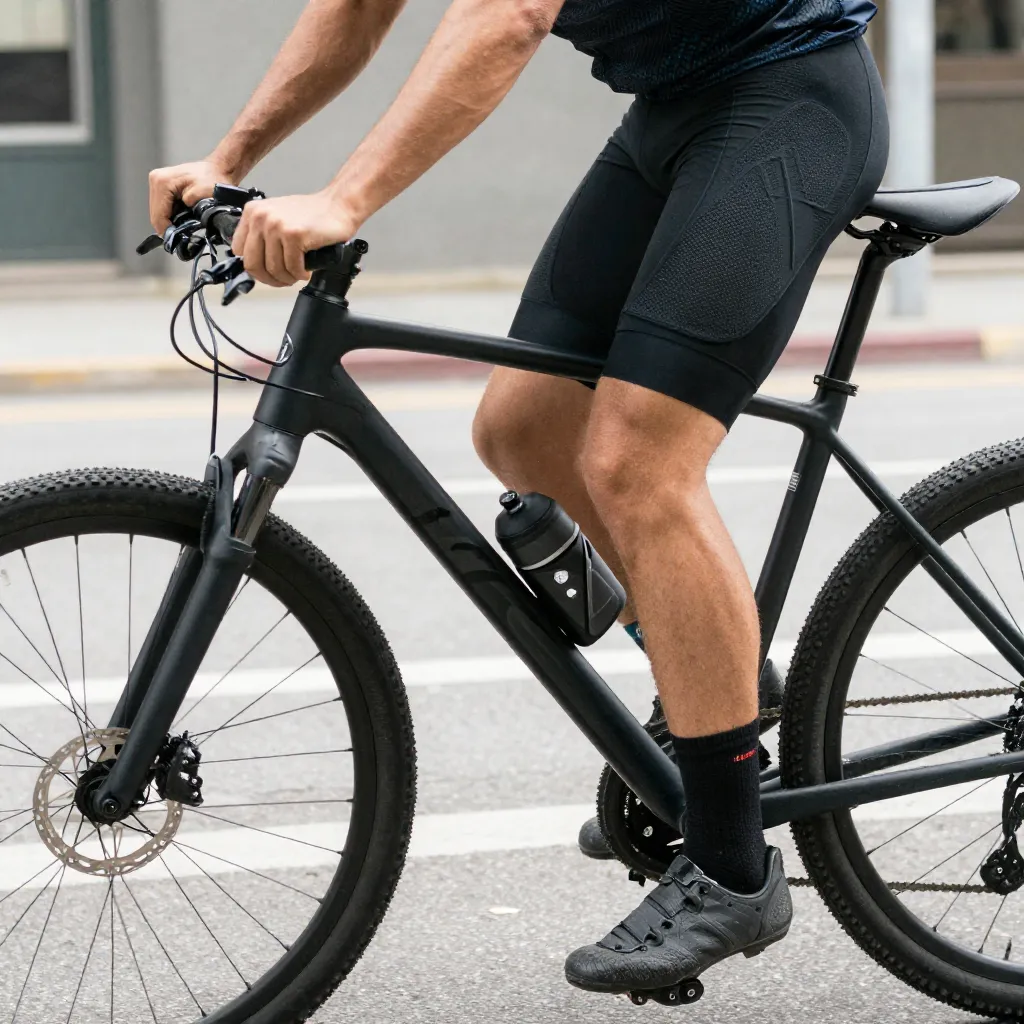
Tire Pressure Range
25-35 PSI for 2.3" tires. Adjust based on rider weight and conditions.
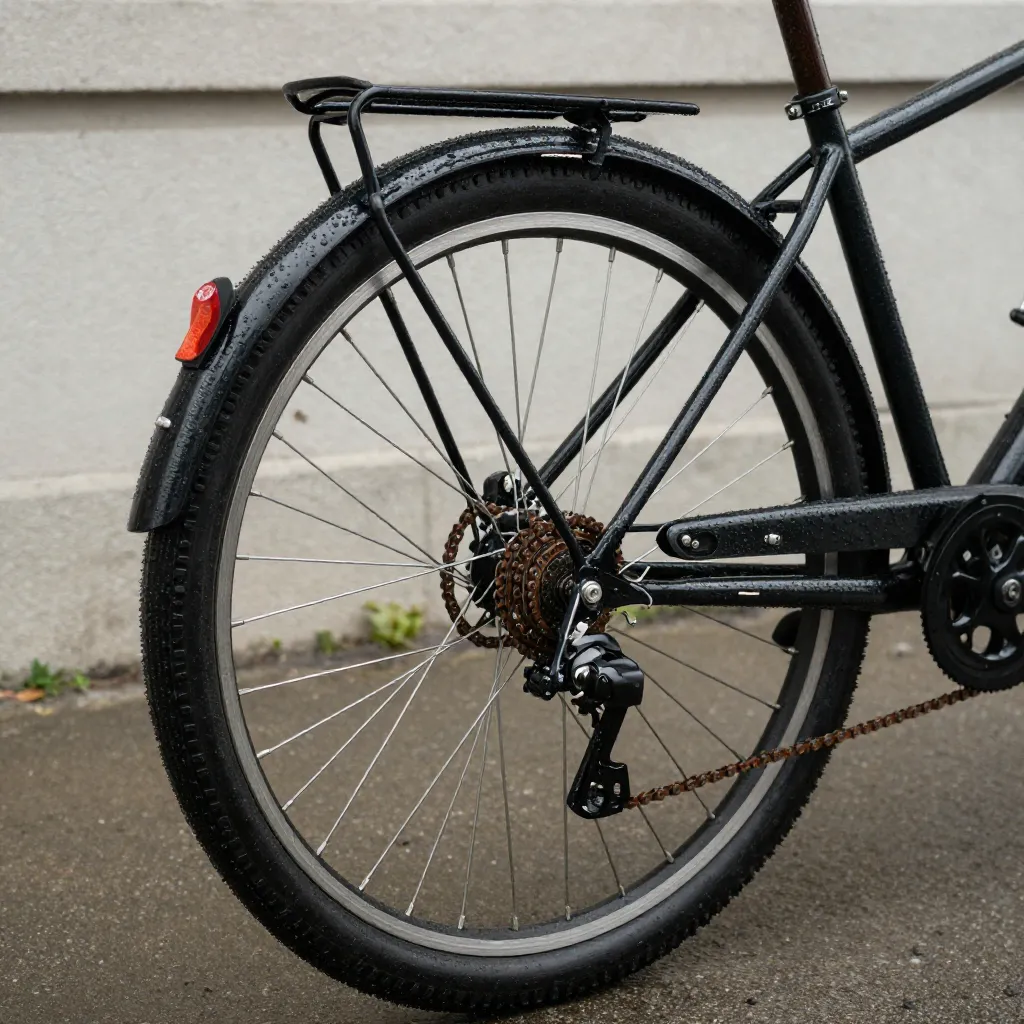
Suspension Setup
Increased compression damping. Rebound adjusted for control.
Cobblestone Surfaces
Urban Cobblestones
Cobblestone streets create high-frequency vibrations. Rigid frames transmit more vibration than suspension frames. Tire pressure affects comfort and speed.
Higher pressures reduce rolling resistance on smooth sections. Lower pressures absorb impacts better. City bicycles benefit from moderate pressures.
Component Considerations
Wider tires provide better comfort. Suspension seatposts reduce fatigue. Handlebar compliance affects hand comfort.
Brake pad compounds must handle wet conditions. Cobblestones become slippery when wet. Metallic pads offer better wet performance.
Forest Moss and Soft Surfaces
Soft forest moss requires different tire pressures than hardpack trails. Lower pressures increase flotation and traction. Mud conditions demand specific tread patterns.
Tire Selection
Wide tires with aggressive tread patterns provide traction in soft conditions. Knob spacing affects mud shedding. Closer knobs increase grip but clog easier.
Tubeless systems prevent pinch flats at lower pressures. Sealant handles small punctures from branches and debris.
Lubrication Requirements
Wet conditions require water-resistant lubricants. Chain cleaning becomes critical. Mud accumulation accelerates wear.
Regular cleaning prevents buildup. Degreasing removes contaminants. Re-lubrication maintains smooth operation.
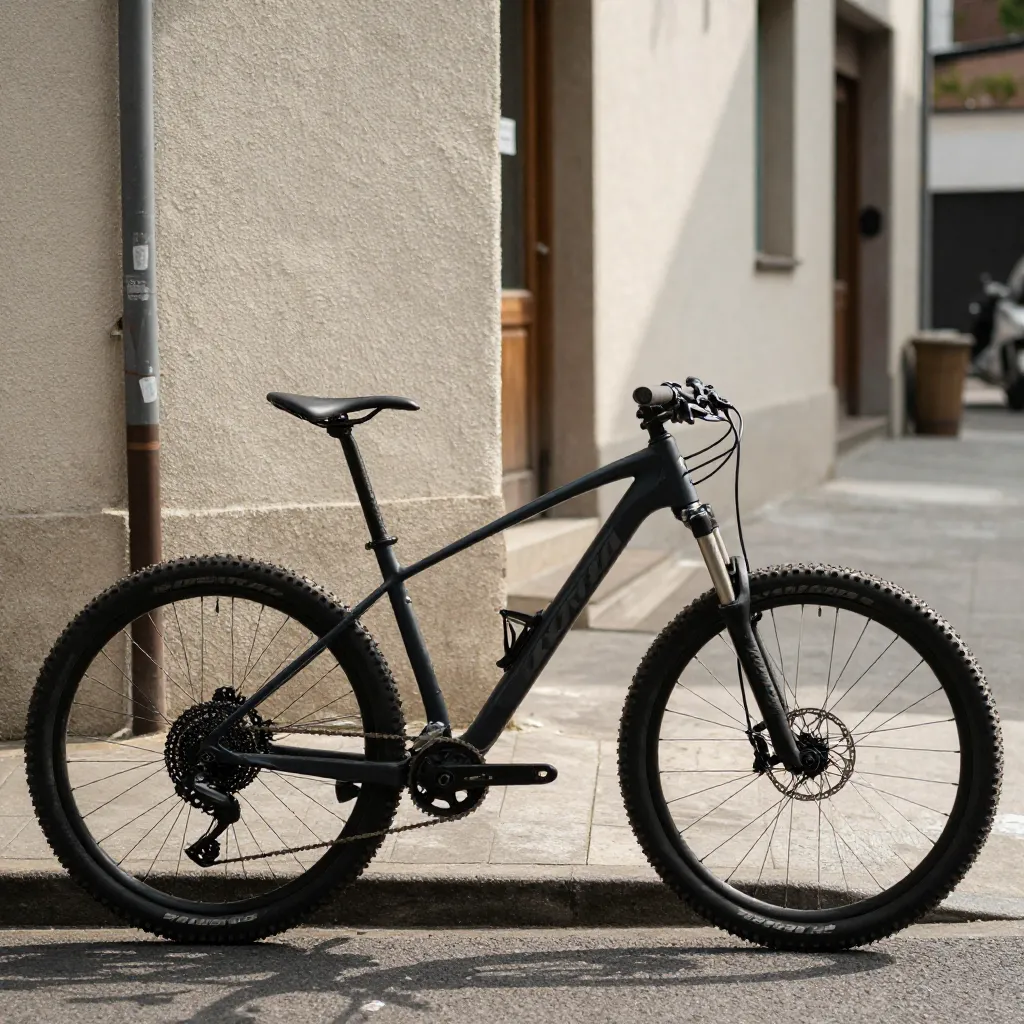
Hardpack and Gravel Surfaces
Gravel Roads
Gravel surfaces vary in composition and compaction. Loose gravel requires different pressures than packed surfaces. Tire selection affects stability.
Higher pressures reduce rolling resistance. Lower pressures improve traction in loose sections. Finding balance optimizes performance.
Hardpack Trails
Hardpack provides consistent traction. Tire pressure can be higher than soft conditions. Rolling resistance becomes primary concern.
Semi-slick tires reduce rolling resistance. Knobby tires provide better cornering grip. Selection depends on trail conditions.
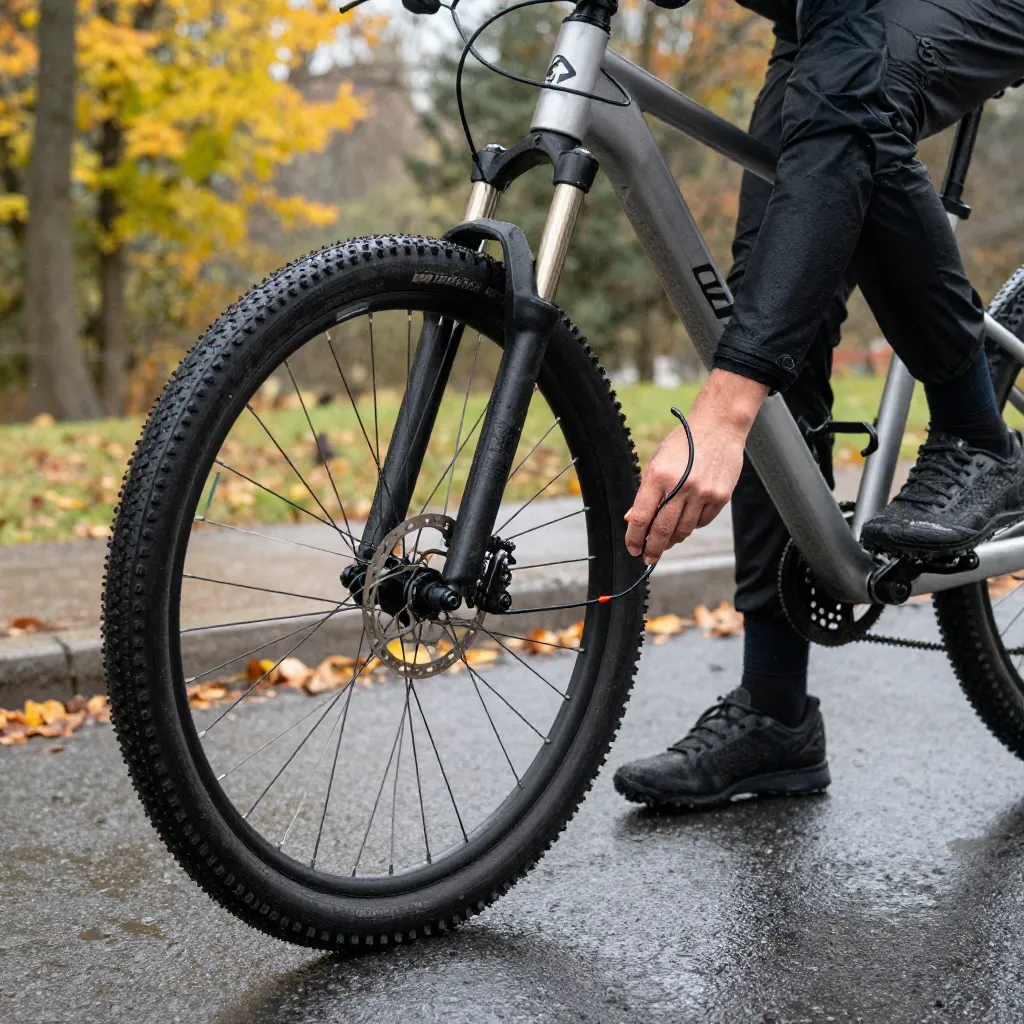
Pressure Guidelines
35-45 PSI for gravel. Adjust based on surface conditions.

Tire Selection
Choose tread pattern based on surface consistency.
Terrain-Specific Setup
Contact us to discuss mechanical adjustments for your specific terrain requirements.
Contact Us